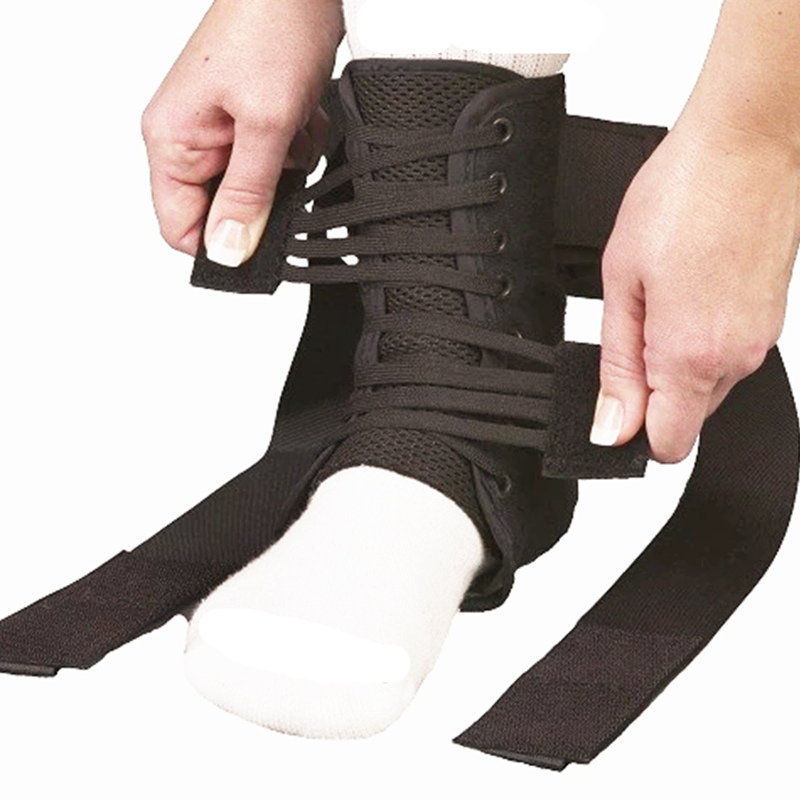
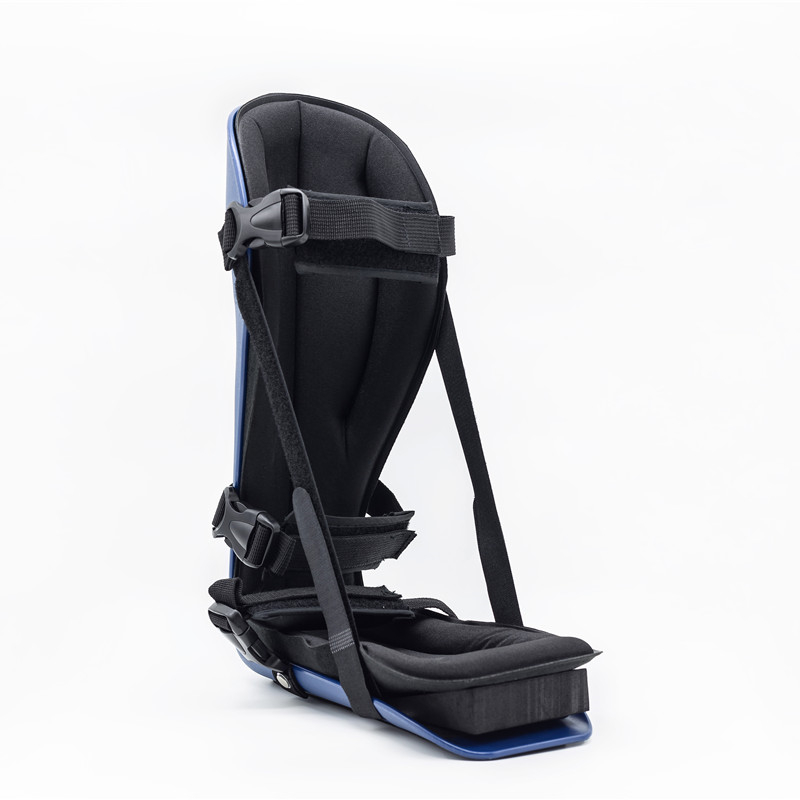
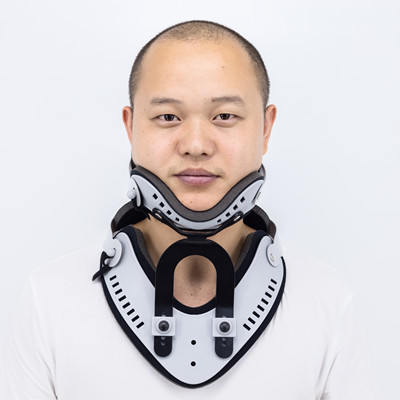
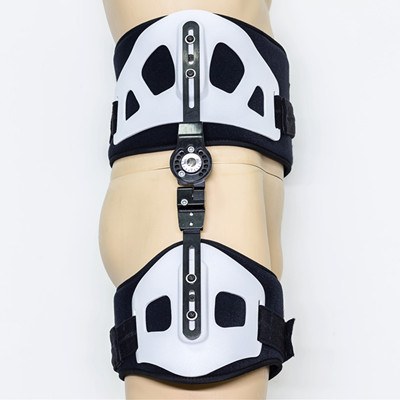
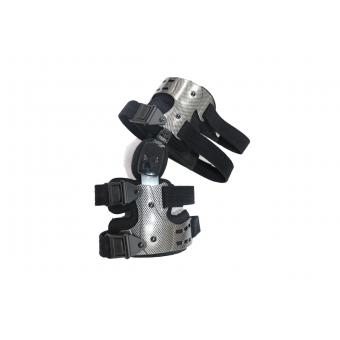
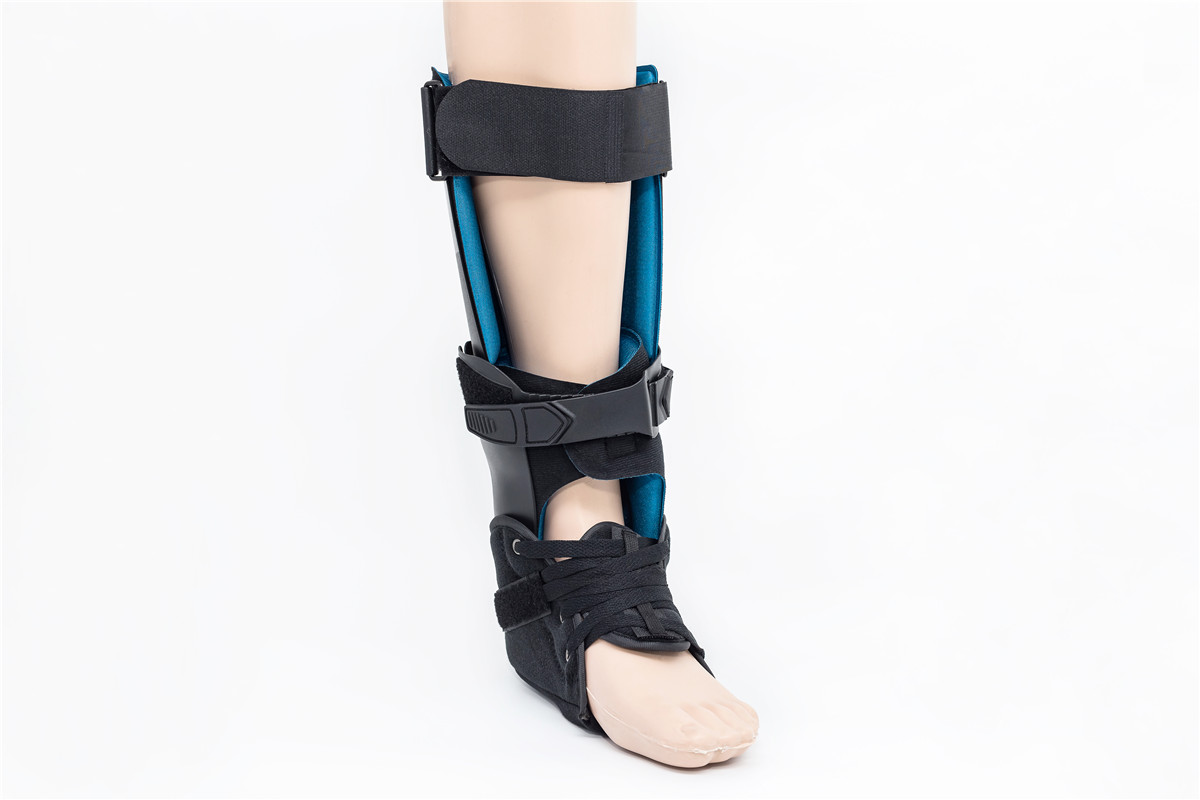
What Is a Short AFO Brace, and Who Needs It? A Comprehensive Guide Foot drop and reduced ankle control can affect toe clearance, initial contact, and overall gait efficiency. For selected users, a short AFO brace can provide external support while allowing a more compact, shoe-compatible approach when clinically appropriate. For medical distributors, clinicians, orthopedic brands, and rehabilitation product suppliers, understanding how a carbon fiber short AFO influences gait adaptability is essential when evaluating products for professional use and long-term supply. What Is a Short AFO Brace? A short ankle-foot orthosis, or short AFO, is a lower-limb orthosis designed to support the foot and ankle while extending to the lower leg through a compact frame and calf attachment system. Compared with a bulky rigid plastic orthosis, a carbon fiber short AFO can use a thinner structural profile and an integrated footplate. Depending on its design and stiffness, the frame may store and release a degree of energy during gait while helping maintain foot clearance. The suitability of a short AFO depends on muscle strength, joint range, alignment, spasticity, sensation, skin condition, footwear, activity level, and the assessment of a qualified healthcare professional. Key Features of a Carbon Fiber Short AFO Carbon Fiber Structural Frame The frame provides the principal support path between the lower leg and footplate. Buyers should confirm the carbon fiber specification, layup consistency, stiffness category, edge finishing, and performance validation rather than judging the product only by appearance. Low-Profile Footplate A thin footplate is designed to sit inside suitable footwear and support the foot during stance and swing. Its length, width, contour, flexibility, and trimming instructions affect shoe compatibility and user comfort. Calf Support and Adjustable Straps Padded calf contact areas and adjustable straps help secure the orthosis to the lower leg. Strap position, circumference range, fastening strength, padding, and resistance to migration are important fitting and procurement considerations. Dynamic Strut Configuration The visible posterior or lateral strut configuration connects the calf section to the footplate. Its geometry and stiffness influence how the orthosis responds through the gait cycle, so distributors and clinicians should match each model to its approved indication and user profile. Who May Need a Short AFO Brace? Short AFO braces may be considered for selected users with foot drop or reduced dorsiflexion control associated with neurological, neuromuscular, or orthopedic conditions. They may help support toe clearance and foot positioning during clinician-directed gait rehabilitation. However, a short carbon fiber AFO is not suitable for every user. Significant contracture, severe instability, marked spasticity, poor skin integrity, sensory loss, or other clinical factors may require a different orthotic design. Selection and...


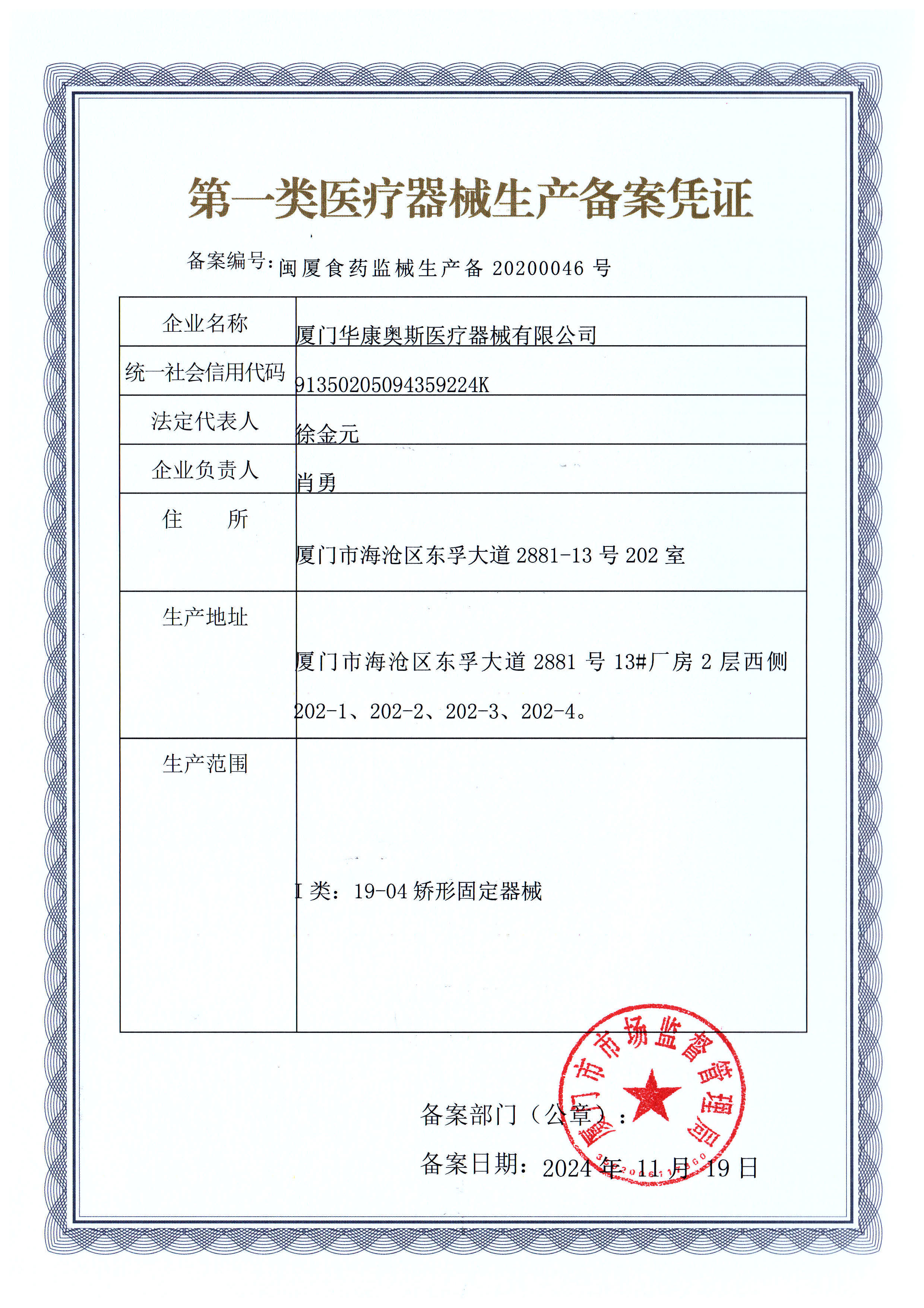
 Xiamen Huakang Orthopedic Co.,Ltd